Game 1: A Hat in Time
High Concept Description
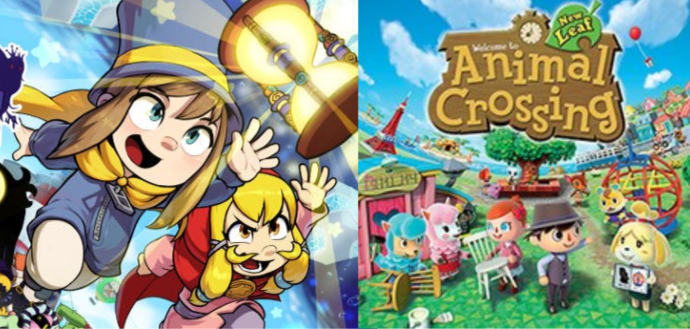
Travel the universe as a little girl suitably called “Hat Kid” and collect Timepieces scattered across 5 worlds to fix your spaceship.
Game World & Game Perspective
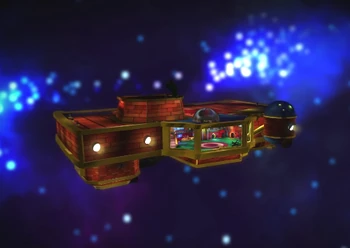
A Hat in Time is a 3-D platform-action adventure game which is placed within an open-world, the game is played in third-person perspective. The game is a love letter to Nintendo 64 platform games such as Super Mario 64 (1996) and Banjo Kazooie (1998).
Interaction Model
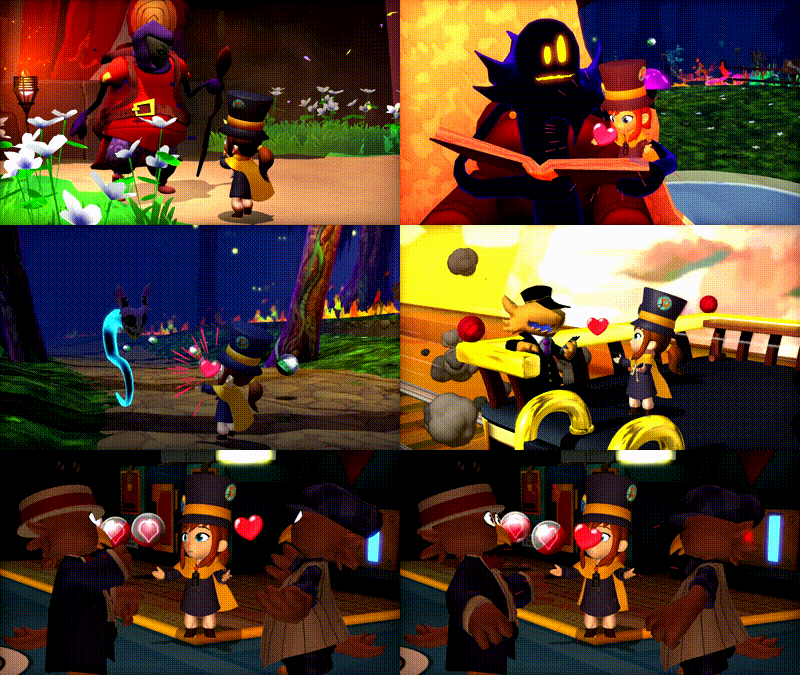
The player goes through as the single character protagonist called “Hat Kid”. Hat Kid is an alien which looks like a little girl and wears bright purple clothes with many different hats, her trademark hat being the purple top hat.
She has few abilities which the player can unlock by wearing different types of hats, when wearing the corresponding hat, she can run quickly, throw explosive potions, and turn into a block of ice (to smash things).
Game Challenges
The majority of the game challenges come from fighting bosses. The further you go through the game, the harder the bosses become.
The bosses are typically at the end of the world you’re in (there being 5 worlds), each of the worlds are challenges in themselves as you have to do missions to work your way through the world so you can collect timepieces.

To those who wanted more of a challenge within the game world, a DLC called “Seal the Deal” was released on September 13th 2018, this DLC offers a challenge called “Death Wish Mode” which offers 111 challenges with rewards.
Core Game Mechanics – Which Help it Achieve Greatness
Panders to Nostalgic Games
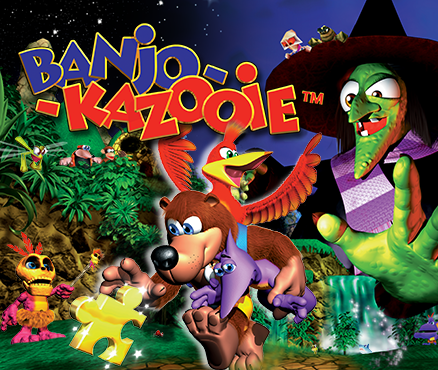
An interview with the developer of the game, Jonas Kaelev, on Polygon, said that he felt there was a shortage of 3D platformers, he wanted to make a game that wouldn’t replicate the mistakes of Donkey Kong 64 but also would cater to the fans of Super Mario 64, Banjo Kazooie and The Legend of Zelda. (https://www.polygon.com)
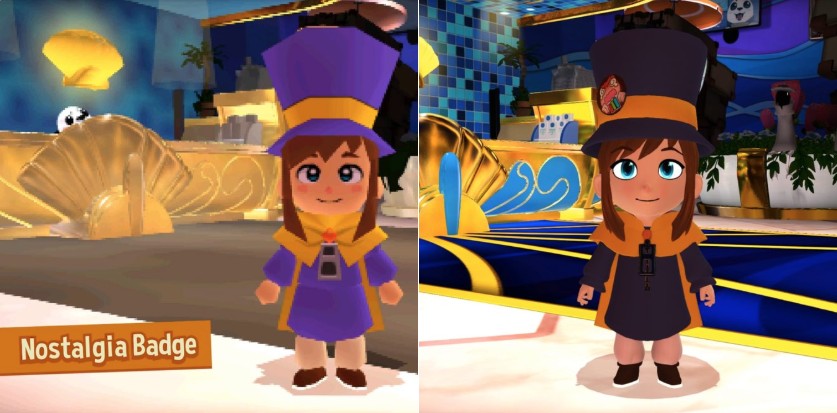
Within the DLC mentioned above, there was a new badge (badges give the player abilities) added in homage to Nintendo 64 games, and games of the same era. Whenever the nostalgia badge is worn it reduces the game to 240p though using the pixel blur technique that was used in Nintendo 64.
Movement
In an interview, Jonas Kaelev said that they paid a lot of attention to how the camera moved along with the player, saying that people expect the camera to be poor in a platformer game. Because of this, Kaelev and his team developed a complex camera which is constantly predicting where the player is going.
Great Design & Cuteness Factor
A Hat in Time is about having fun, according to Kaelev, he said that he didn’t want the game just to be about platforming, but to also be about the journey. A Hat in Time injects personality into every chapter, it has a unique art style with unique concepts which contribute to it being a stand-alone platformer.
Positive & Negative Feedback
The player is awarded by completing difficult bosses or challenges with timepieces, this progresses the story on more but side-quests also need to be done in conjunction with main-story missions so that the player can upgrade Hat Kid so that they can defeat harder bosses.
Game 2: Animal Crossing: New Leaf
Animal Crossing: New Leaf was released in 2012, with it being the first 3DS game to surpass two million units sold, which was done in two months. By December of 2018, there is a total of 12.10 million copies sold of the game.
The game is the fourth instalment of the animal crossing series and received wide positive reviews, with IGN giving it a 9.6/10, just to give an example.
High Concept Description
The player is the only human living in a village inhabited by animals and carries out tasks to improve the village, such as fishing, bug catching, gardening, fossil hunting, etc.
Game World
Animal Crossing: New Leaf is a mental space and a world-building type game. You can enter the game-world by choose to play and is governed by some rules but not a lot.
The player chooses a pre-set world at the beginning of the game and can then choose the placements of the unlockable buildings (The Roost Café, Police Station, etc.) if deemed suitable by the Mayor’s assistant, Isabelle.
Interaction Model
The player controls an avatar, which is the only human in the village and is the mayor of the village. The player is not limited to a section of the map and can travel freely. There are some shops and an Island, which can be unlocked by the player, depending on how many days/weeks they have played the game.

Image provided by Pinterest.
Game Perspective

In Animal Crossing: New Leaf the game perspective is in third-person, the camera follows the player and cannot be adjusted unless in your house, which allows you to rotate the camera left and right.
Game Dimensions
The Physical Dimension
The game world somewhat small. There are 4 sections to the world which is the village, the shop plaza, the Happy Home Showcase (enabled with the 3DS StreetPass function) and the Island (known as Animal Island or Tortimer Island).

A big feature to Animal Crossing New Leaf: Welcome Amiibo is the capability to visit other player’s villages through using the Dream Suite (unlockable by the player). You can also visit other people’s villages whenever their gate is open, or invite people into your village by opening your village’s gate.
The Environmental Dimension
Family Structure & Ceremonies
Animal Crossing: New Leaf has a brief family structure; the player will occasionally receive mail from their “Mom”.

There are ceremonies whenever the player completes a Public Works Project – which is a structure that requires fundraising. The ceremony includes some of the residents of the village and Isabelle, who gives a short speech.
The ceremony ends with everyone pulling party streamers and villagers will make remarks about the ceremony if you talk to them afterwards.
Physical Surroundings
The physical surroundings can be customized by the player. The player can choose to do Public Works Projects which allows the players to place structures (such as bridges, benches, streetlights, clocks and signs) or buildings (such as The Roost café, the Dream Suite, the Campsite and the Police Station)
Game Challenges
Game challenges are determined by the player, this includes collecting and donating to the Museum. The player can choose to invest time in finding fish, fossils, bugs or art to donate to the Museum.

There are also seasonal events, where the host of the event will give the player tasks to complete. An example of this is Bunny Dat (Easter), where the player can search the village for hidden eggs and turn them into Zipper for prizes!
Core Game Mechanics That help it Achieve Greatness
Real-Time Clock
Overall Animal Crossing games, a real-time clock is used. The game clock is synched to the console’s clock, making events in the game synced to the time/day/month. This is a unique feature to the game, and makes the game dynamic as certain events are triggered by the day (such as Halloween, Christmas, Easter, etc.), the shops close and open at certain times and the seasons are in relation to the real world.
Villagers
Villagers in Animal Crossing: New Leaf are as diverse they’ve ever been, there are 335 villagers with different species such as Deer, Hamster, Sheep, Octopus, Birds, Cats and Rabbits. The villagers also have personality types which make each villager unique, the personality types are Smug, Uchi, Peppy, Jock, Lazy, Cranky Normal and Snooty.

Customization
Player – The player can choose to customize their avatar through various ways such as buying clothes, hats and accessories or can choose to design their own. The player can also choose to change their avatar’s hairstyle, makeup or eye colour by visiting the salon “Shampoodle”.
Town – The player can do many things to customize their town such as Public Works Projects, Town Ordinances, gardening, and changing the town flag/tune. The player can choose the placements of their public works projects and choose themes of their town.
Mental Health
Positive & Negative Feedback
Amongst all Animal Crossing games, they have the currency Bells. This forms as positive and negative feedback, as you can get more bells by completing tasks, but also have to pay off bells for your house. The more you advance in the game, you have to pay more bells for upgrades or new projects.
 K00242651 | College Blog
Leave a comment